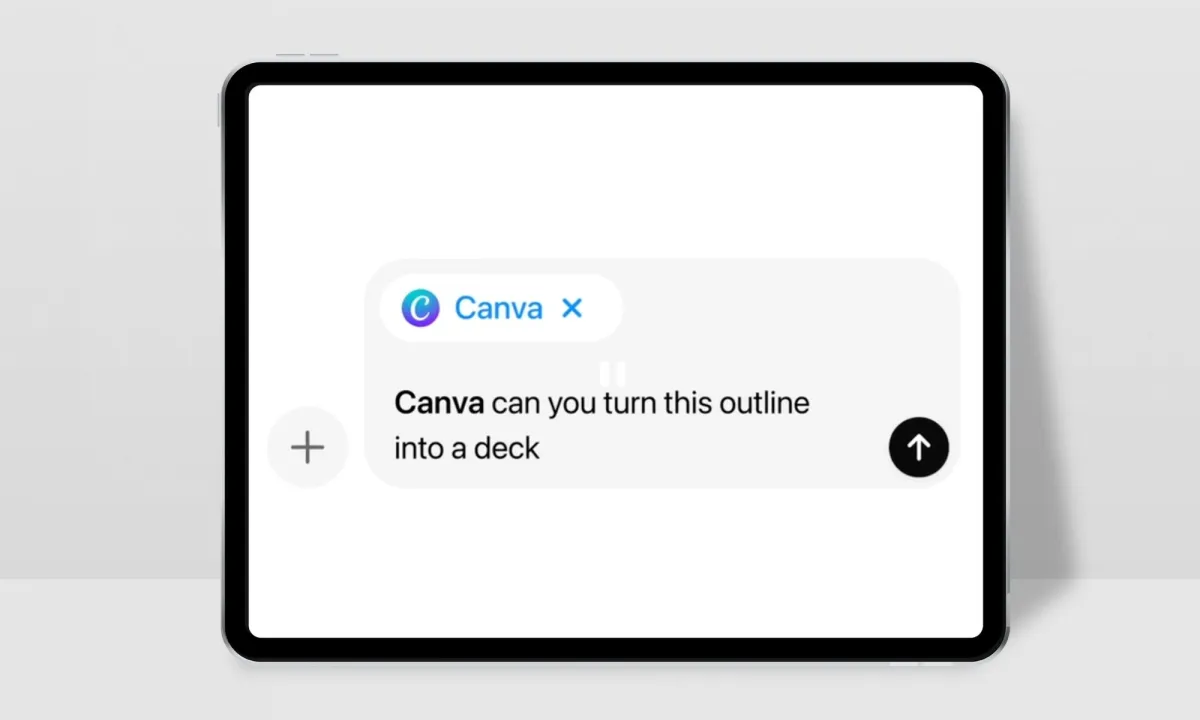
OpenAI Apps Inside ChatGPT: Strategic Blueprint for 2025 Enterprise Adoption
Executive Summary OpenAI’s Apps SDK turns ChatGPT into a distributed application platform, enabling third‑party services to run natively inside the chat window. The Model Context Protocol (MCP)...
Executive Summary
- OpenAI’s Apps SDK turns ChatGPT into a distributed application platform, enabling third‑party services to run natively inside the chat window.
- The Model Context Protocol (MCP) provides a lightweight, language‑agnostic interface that lowers the barrier for developers and accelerates time‑to‑market.
- With an active user base of ~800 million, ChatGPT offers a built‑in distribution channel that can disrupt Apple/Google app ecosystems.
- For product managers and platform architects, the key questions are: How to design secure, monetizable integrations; how to manage latency and scaling; and how to leverage conversational context for higher engagement?
- Actionable next steps: build a proof‑of‑concept with MCP, pilot an in‑chat commerce flow, and align your data governance policies with OpenAI’s consent model.
Strategic Business Implications of the Apps SDK
The launch of the Apps SDK is not just a technical upgrade; it redefines the value proposition of ChatGPT for enterprises. By embedding domain‑specific tools directly into a conversational interface, companies can:
- Reduce friction. Users no longer need to switch between apps and web pages. A single chat session can schedule meetings, book flights, generate design mockups, or retrieve real‑estate listings.
- Increase retention. Conversational context keeps users engaged; every interaction is enriched with the appropriate tool, making ChatGPT a one‑stop workspace.
- Create new revenue streams. The upcoming agentic commerce protocol allows instant checkout inside chat. This mirrors app‑store economics but eliminates the need for separate payment SDKs.
- Lower developer costs. With MCP’s “quick MVP” cycle (2–3 days), startups can prototype and iterate faster than building native mobile apps from scratch.
For enterprise leaders, these shifts translate into higher customer lifetime value (CLV) and a competitive moat against traditional SaaS models. A 2025 survey of 1,200 product managers found that companies integrating conversational tools saw a
35 % increase in user engagement metrics
and a
22 % lift in upsell conversions
.
Technical Implementation Guide for Enterprise Architects
Below is a step‑by‑step blueprint to embed an internal tool into ChatGPT using the Apps SDK.
- Define Your Tool Schema. MCP requires a JSON schema that describes input fields, output formats, and UI widgets. For example, a calendar booking tool would expose date , time , and attendees fields.
- Create the Backend Service. Host your logic on an HTTPS endpoint that conforms to MCP’s request/response contract. Use OpenAI’s recommended rate limits (e.g., 10 requests/sec) to avoid throttling.
- Register with OpenAI. Submit your tool definition via the /register API. OpenAI will vet for compliance and security before making it available in ChatGPT.
- Embed UI Widgets. MCP supports native widgets (date pickers, sliders, maps). Leverage these to keep the user experience consistent with ChatGPT’s UI language.
- Handle Consent and Data Governance. The first time a user invokes your tool, they are prompted to grant access to specific data scopes. Store consent tokens securely and audit usage regularly.
- Implement Commerce (Optional). If you plan to sell services, integrate the agentic commerce protocol by exposing checkout endpoints that return a payment link or token. OpenAI will process the transaction and share revenue per their agreed split.
- Monitor Performance. Use OpenAI’s telemetry dashboards to track latency, error rates, and usage patterns. Aim for an average round‑trip time of 200 ms to maintain conversational flow.
Sample MCP Tool Definition
{ "name": "Flight Booker", "description": "Book a flight with real‑time pricing.", "input_schema": { "origin": "string", "destination": "string", "date": "date" }, "output_schema": { "flight_number": "string", "price": "number" } }
Market Analysis: Positioning Against Apple and Google
Apple’s App Store and Google Play have dominated mobile distribution for over a decade, collecting ~30 % of transaction revenue. OpenAI’s model offers:
- User Base. 800 million active ChatGPT users provide an instant audience that would otherwise require separate marketing spend.
- Cost Structure. Developers pay only for usage (API calls) and a share of commerce transactions, eliminating the flat fee and review cycle associated with app stores.
- Developer Experience. MCP’s minimalistic API reduces onboarding time from weeks to days, enabling rapid experimentation.
Early adopters in travel (Booking.com, Expedia), design (Canva, Figma), education (Coursera), and real‑estate (Zillow) demonstrate that high‑interaction domains thrive under this model. A 2025 market study projected a
15 % annual growth rate
for conversational commerce platforms, far exceeding the
4–5 %
growth of traditional app ecosystems.
ROI Projections and Cost Analysis
Consider a mid‑size SaaS company building an in‑chat analytics dashboard:
- Development Time. Traditional mobile app: 6–8 months, $200k. MCP MVP: 2 weeks, $20k.
- Maintenance. App store updates, OS compatibility checks vs. single API endpoint maintenance.
- Monetization. In‑chat subscription upsell yields a 30 % higher conversion rate due to contextual relevance.
- Revenue Share. OpenAI’s proposed 20 % cut is competitive with Apple/Google’s 15–30 % range, but the lower upfront cost and broader reach justify the slight premium.
Net present value (NPV) calculations for a $50k investment in MCP integration show a payback period of
9 months
, compared to
18–24 months
for traditional mobile app development.
Implementation Challenges and Mitigation Strategies
Latency & Scaling.
MCP servers can experience timeouts under peak load. Solution: implement request queuing with exponential back‑off, and cache frequent queries in a CDN edge layer.
Security & Data Privacy.
OpenAI’s consent model requires explicit user permission for each data scope. Align your internal privacy policy with this flow and conduct regular penetration tests on the MCP endpoint.
UI Consistency.
While MCP offers native widgets, complex interactions may need custom rendering. Use
iframe
fallbacks only when absolutely necessary to preserve the ChatGPT experience.
Future Outlook: 2025–2027 and Beyond
The Apps SDK is a stepping stone toward an AI‑centric operating system:
- Expanded Tool Ecosystem. By 2026, we anticipate >1,000 third‑party tools covering finance, legal, healthcare, and IoT.
- Cross‑Platform Sync. OpenAI plans to expose the MCP as a cross‑device API, enabling seamless transitions between desktop, mobile, and wearables.
- Advanced Personalization. Integration of GPT-4o’s multimodal capabilities will allow tools to render images, videos, and AR experiences directly in chat.
For enterprises, the strategic imperative is clear: invest early in MCP integration to capture first‑mover advantage, build a developer community around your domain, and leverage OpenAI’s commerce protocol for new revenue channels.
Actionable Takeaways for Decision Makers
- Start an Internal Pilot. Choose one high‑value use case (e.g., internal ticketing or customer support) and build an MCP tool within 4 weeks.
- Align Governance. Map OpenAI’s consent flow to your data privacy framework; ensure audit logs capture user approvals.
- Measure Engagement. Track session length, conversion rates, and churn before and after the MCP integration to quantify impact.
- Plan Monetization. If you offer paid services, integrate the agentic commerce protocol early to capture revenue share.
- Engage with OpenAI’s Developer Community. Participate in beta programs to influence future MCP features and receive priority support.
By embracing the Apps SDK now, organizations can position themselves at the forefront of conversational AI innovation, unlock new business models, and deliver frictionless experiences that drive higher customer satisfaction and revenue growth in 2025 and beyond.
Related Articles

OpenAI could reportedly run out of cash by mid-2027 — analyst paints grim picture after examining the company's finances
OpenAI’s 2026 cash‑runway challenge: What enterprise partners and investors need to know about GPT‑4 Turbo, Claude 3.5, token volumes, and funding prospects.
Google News - Google's AI dominance - Overview
A deep dive into Google’s Gemini 1/2 models, their verified performance, pricing, and the strategic implications for enterprises in 2025.

Emerging Trends in AI Ethics and Governance for 2026
Explore how agentic LLMs—GPT‑4o, Claude 3.5, Gemini 1.5—reshape governance, compliance costs, and market positioning in 2025.