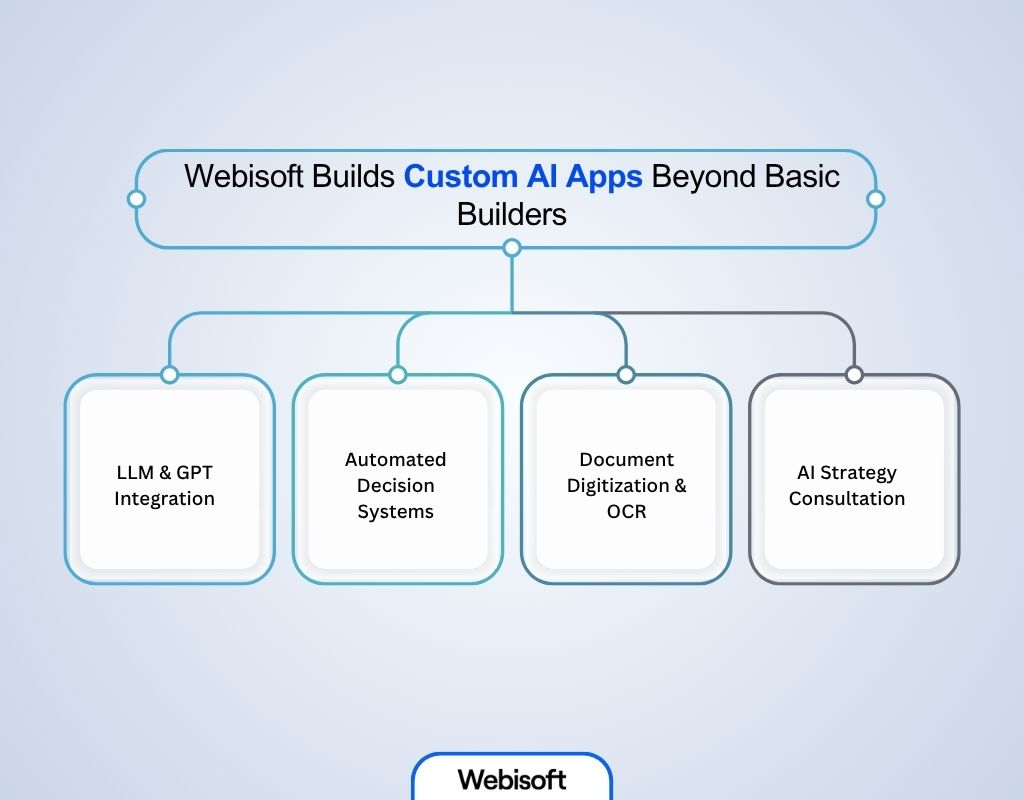
AI‑Powered SaaS Transformation: Strategic Roadmap for 2025
Explore the AI‑powered SaaS transformation roadmap of 2025. Learn how prompt‑based builders, model‑agnostic platforms and cutting‑edge models like GPT‑4o, Claude 3.5 Sonnet, Gemini 1.5 Pro and Llama 3
AI‑Powered SaaS Transformation: Strategic Roadmap for 2025 In the first half of 2025, enterprises are pivoting from monolithic AI initiatives to modular, model‑agnostic ecosystems that can be deployed across clouds and on‑prem environments. The shift is driven by three forces: Model proliferation : GPT‑4o, Claude 3.5 Sonnet, Gemini 1.5 Pro and Llama 3.1 all offer distinct strengths—latency, multimodal capability, or fine‑tuning flexibility—that demand a new architecture for SaaS vendors. Regulatory tightening : Data residency rules in the EU, US, and Asia now mandate local inference for certain workloads, forcing SaaS providers to embed edge‑ready models. Cost pressure : The price of GPU compute continues to climb; hybrid strategies that blend cloud bursts with on‑prem inference can shave 30–40 % off annual spend. The result is a model‑agnostic, prompt‑centric stack . Below we dissect the architecture, evaluate key technologies, and provide a phased roadmap for SaaS companies looking to stay ahead in 2025. 1. The Model‑Agnostic Architecture: From Monolith to Modular Traditional SaaS AI pipelines were tightly coupled to a single vendor’s inference service. That model is breaking apart because: Vendor lock‑in risks : A sudden price hike or policy change can cripple a product line. Feature fragmentation : GPT‑4o excels at natural language generation; Gemini 1.5 Pro shines on multimodal reasoning; Llama 3.1 offers the best open‑source fine‑tuning path. Latency constraints : Edge workloads (e.g., in telemedicine) demand sub‑100 ms inference that cloud APIs cannot guarantee. The modular approach introduces three layers: Prompt Engine : A lightweight service that normalizes user intent into structured prompts. It can route a single request to multiple models based on cost, latency, or feature requirements. Model Orchestrator : An abstraction layer that hides vendor APIs behind a common contract. It supports fallback strategies—if GPT‑4o is unavailable, the orchestrator aut
Related Articles
Anthropic appoints Irina Ghose, a former Microsoft India managing director, to lead its business in India, which has the second-largest user base for Claude (Jagmeet Singh/TechCrunch)
Explore how Anthropic’s new India strategy under Irina Ghose is reshaping enterprise AI contracts, leveraging Claude 3.5 and o1-mini for safety‑first deployments in 2026.
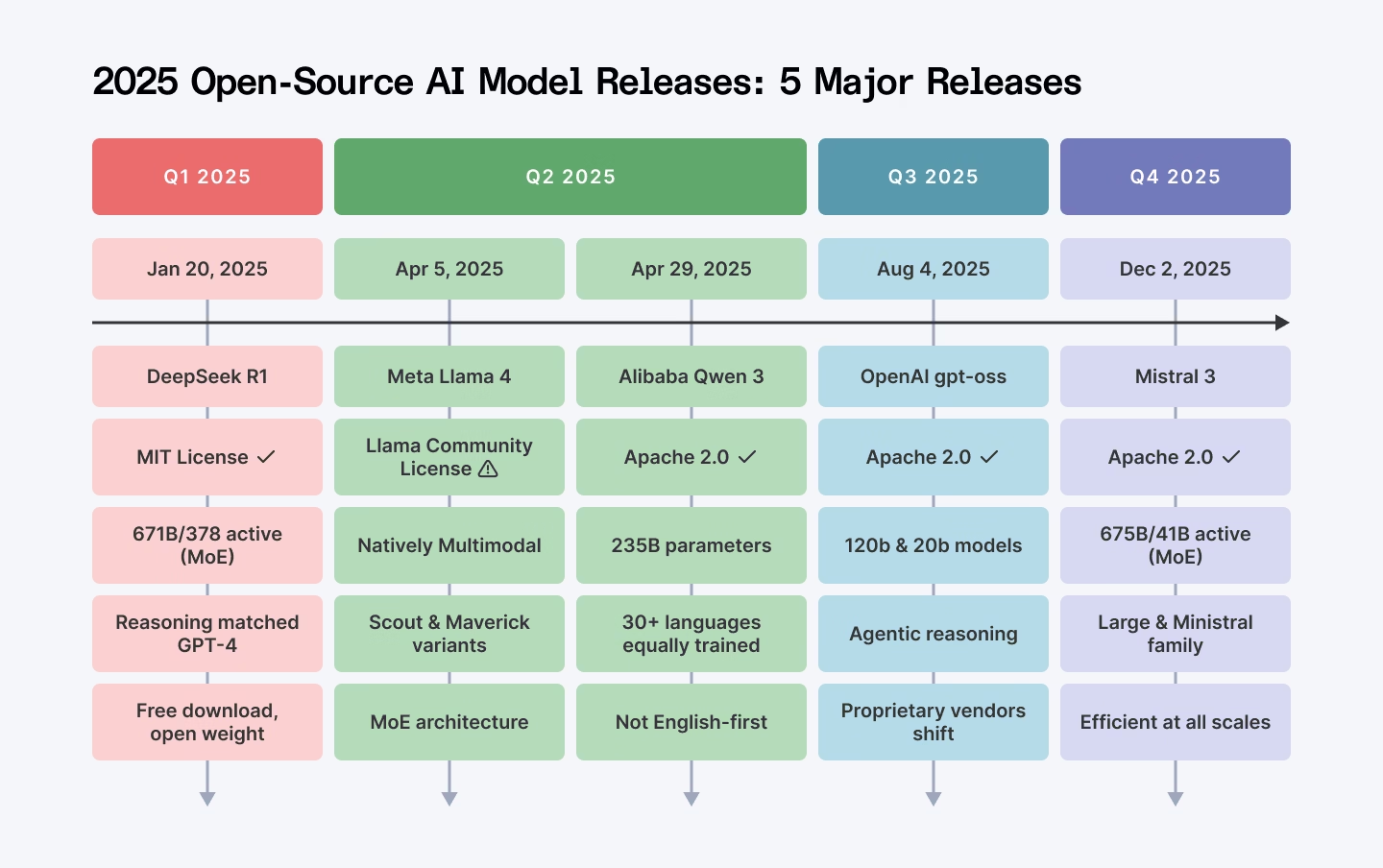
Global AI Adoption in 2025 - A Widening Digital Divide
AI Adoption in 2026: Navigating the Global Digital Divide Executive Summary – Q4 2025 Snapshot Generative‑AI usage climbed 1.2 pp to 16.7% of the global population. The adoption gap between the...
IBM wants to give businesses and governments more control over AI data
IBM’s Quest for Data Control: What CIOs and CTOs Must Know Meta description: Enterprise leaders face a new era of AI where data sovereignty, hybrid deployment, and compliance are non‑negotiable. This...